Cheap rubbish clearance Brompton shops and cafes Fulham Road
Posted on 16/07/2026
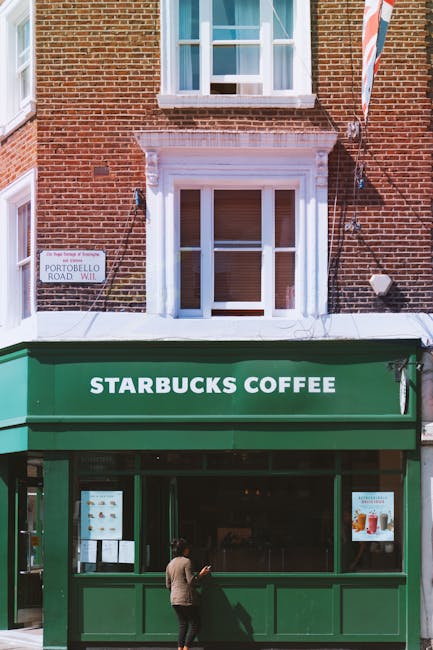
If you run a shop, cafe, or small hospitality space along Fulham Road, rubbish has a habit of turning up at the worst possible time. A box mountain appears behind the counter. Packaging fills the stockroom. Broken chairs, old menu boards, and a few bags of mixed waste suddenly need shifting before the next delivery. That is exactly where Cheap rubbish clearance Brompton shops and cafes Fulham Road comes in: a practical, local-minded way to keep your premises tidy, presentable, and workable without overspending.
The real goal is not just "getting rid of stuff". It is doing it quickly, safely, and in a way that suits a busy Brompton business. In this guide, we'll walk through how it works, what "cheap" should and should not mean, where businesses often waste money, and how to choose a clearance approach that keeps the day moving. To be fair, in London, convenience often saves more than a headline bargain ever will.
Why Cheap rubbish clearance Brompton shops and cafes Fulham Road Matters
Fulham Road is a working, high-footfall stretch, and Brompton businesses feel that pressure every day. Shops need clean sightlines for customers. Cafes need space for stock rotation, deliveries, and waste separation. When rubbish starts creeping into visible or operational areas, it affects more than tidiness. It affects pace, confidence, and often, customer perception.
Cheap rubbish clearance only works as a useful phrase if it still delivers a proper service. In a small retail or cafe setting, "cheap" should mean efficient collection, sensible pricing, and no pointless disruption. It should not mean vague quotes, slow arrivals, or skipping the details that keep your business compliant and calm. That's the bit people sometimes miss.
For local businesses, waste also builds up in awkward shapes and sizes: flattened cardboard, used display materials, old fridges, damaged shelving, and bags of general waste after a refit. If you let it sit, it takes over valuable floor space and can become a nuisance for staff. We've all seen the back-of-house area that starts tidy on Monday and somehow turns into a half-hidden obstacle course by Thursday.
For operators comparing options, it helps to understand the wider service landscape too. A broader overview of rubbish clearance services can show which jobs sit well alongside shop and cafe clearance, and which require a specialist approach.
How Cheap rubbish clearance Brompton shops and cafes Fulham Road Works
Most small commercial clearances follow a fairly straightforward pattern, though the best providers keep it flexible. First, you explain what needs collecting, where it is located, and whether access is simple or awkward. Then the team assesses the load, timing, and any special items such as fridges, electricals, or heavy furniture. After that, the clearance is arranged around your opening hours or quieter service windows where possible.
That flexibility matters. A cafe on a busy morning is not the place for a long, clunky clearance job. A shop preparing for a refit does not want loaders blocking the entrance while customers are still browsing. Good planning means the removal is matched to the rhythm of your business, not the other way around.
In practical terms, a cheap rubbish clearance service for Brompton shops and cafes usually involves some combination of:
- bagged general waste removal
- cardboard and packaging collection
- furniture and fixture disposal
- electrical and mixed item removal where permitted
- back-of-house or cellar clearance
- post-delivery or post-refit clean-up
If the waste is commercial, it is worth looking at how broader business needs fit together. A lot of operators benefit from a mix of office clearance support and day-to-day disposal arrangements, especially if the same premises include admin space, storage, or upstairs rooms.
And yes, timing is often the difference between a manageable job and a headache. A same-day slot can sometimes rescue a tight turnaround, which is why some businesses keep an eye on same-day rubbish removal in Brompton and West Brompton when they need a fast turnaround.
Key Benefits and Practical Advantages
There is a reason busy local businesses look for low-cost rubbish clearance rather than trying to manage everything in-house. Done properly, it gives you breathing room. Not in a fluffy, abstract sense. In the very real sense of being able to open on time, serve customers properly, and keep staff focused on actual work.
Key benefits include:
- Better use of space: stockrooms, prep areas, and access routes stay clear.
- Less downtime: waste is removed in one go rather than sitting around for days.
- Cleaner presentation: customers do notice clutter, even if they never mention it.
- Lower strain on staff: teams can focus on service instead of dragging waste outside.
- More predictable costs: a fixed or clearly explained quote is easier to budget for.
- Better sorting: recyclables and general waste can be separated more sensibly.
There is also a less obvious advantage: better momentum. Once a clearance is done, businesses often make other operational improvements off the back of it. A cleared storage room gets reorganised. Delivery access improves. A cafe back area becomes usable again. Small wins, but they stack up.
For businesses with seasonal peaks, promotional changeovers, or menu refreshes, a clear-out can feel like a reset button. A proper one, not the kind you press and then spend the rest of the week sorting the fallout.
Environmentally aware operators may also want to explore recycling and sustainability practices so they can see how reusable and recyclable material is handled alongside general collection.
Who This Is For and When It Makes Sense
This service makes most sense for anyone who needs commercial waste shifted quickly without turning the whole premises upside down. In Brompton and along Fulham Road, that usually means independent retailers, cafes, small restaurants, salons with retail space, and businesses carrying a lot of packaging or display material.
You may need this if you are:
- refitting or redecorating a shop
- clearing out old cafe furniture or equipment
- dealing with a stockroom that has become unmanageable
- removing cardboard after a large delivery
- closing, relocating, or downsizing a business unit
- preparing for inspections, photography, or a new season launch
It also makes sense when staff time is better spent serving customers than lifting waste. That sounds obvious, but it is easy to underestimate. One team member spending half an afternoon on disposal is not free, even if nobody writes it down as a separate line item.
Shop owners with recurring waste patterns may want to compare how this fits with more regular waste removal in Brompton, especially if the volume changes from week to week.
For businesses tied closely to the local area, context matters too. If you are weighing Brompton as a place to work or invest in, you may find the local backdrop useful. The area's business and property profile is discussed in this look at the Brompton property market and in the broader neighbourhood guide.
Step-by-Step Guidance
Here is a simple way to approach commercial rubbish clearance without overcomplicating it. No drama, no mystery. Just a clean process.
- List the items clearly. Separate cardboard, furniture, fixtures, food-related waste, and anything you think may need special handling.
- Check access. Note stairs, narrow entrances, loading restrictions, and whether the waste is front-of-house or tucked away in storage.
- Choose the right time. Aim for quieter periods, before opening, after closing, or during a natural lull.
- Ask for a clear price structure. Look for a quote that explains what is included, not just a tempting number.
- Prepare the waste. Keep items grouped logically so the crew can load quickly.
- Confirm special items. Mention fridges, ovens, shelving, mirrors, or anything heavy or awkward.
- Check what happens after collection. Ask how sorting, recycling, and disposal are handled.
If you want to avoid the usual last-minute scramble, do a quick sweep of the space before the crew arrives. It sounds basic, but it helps. A little organisation can shave off time, and in a commercial setting time is often the hidden cost nobody spots at first.
Practical summary: the best clearance jobs are planned around access, timing, and waste type. Everything else is detail.
Expert Tips for Better Results
After enough clearances, a few patterns become obvious. The businesses that get the smoothest, cheapest results tend to follow the same habits.
- Bundle waste by type. Cardboard, furniture, and general rubbish are easier to quote when separated.
- Be honest about volume. A small underestimate can turn into a messy reprice on the day.
- Keep walkways open. Clear access speeds up loading and reduces the chance of damage.
- Use off-peak timings where possible. Especially important for cafes with regular customer flow.
- Ask about insurance and handling. You want to know items are moved properly, not just quickly.
- Plan the next step. A clearance works better if you know what is going back into the space afterwards.
One small but useful habit: take a couple of photos of the waste before collection. Not for show. Just for clarity. It helps everyone stay on the same page if the job is more complicated than it first appeared.
If your business has awkward access or a shared building entrance, it is worth reading about insurance and safety so you understand the practical care that should sit behind a clearance job.
And for owners doing a bigger reset, such as moving stock, stripping a fit-out, or tidying a rental unit, commercial help can overlap with builders waste disposal in Brompton if renovation debris is involved.
Common Mistakes to Avoid
Cheap rubbish clearance can go wrong when people treat it like a commodity purchase rather than a service that depends on context. The biggest mistakes are usually simple ones.
- Choosing only on price. The cheapest quote is not always the cheapest outcome if delays or extras appear later.
- Mixing waste types without saying so. Some items need different handling, and surprises slow everything down.
- Ignoring access issues. A job looks easy until someone has to manoeuvre a sofa through a tight stairwell.
- Leaving waste scattered. That adds labour time and can increase the cost.
- Assuming all items can go together. Some commercial items are not treated the same way as ordinary rubbish.
- Forgetting the disposal trail. If you care about recycling or duty of care, ask how waste is handled.
There is also a very human mistake: waiting too long. Businesses often put off clearance because the clutter is not yet "that bad". Then one Friday afternoon it becomes very bad indeed. Suddenly it is urgent, staff are irritated, and the room that once held spare stock is now a minor disaster zone.
Tools, Resources and Recommendations
You do not need a truckload of specialist kit to organise a better clearance, but a few simple tools make a noticeable difference.
- Basic inventory list: even a simple spreadsheet or phone note helps you count what is going.
- Labelled bags or boxes: useful for separating cardboard, recyclables, and loose rubbish.
- Measuring tape: handy for bulky furniture and awkward fixtures.
- Camera phone: helpful for documenting the load and access points.
- Clear route plan: think through doors, stairs, and loading points before collection day.
For businesses making broader decisions about how waste links into operations, the site's rubbish removal guide is useful when you are matching clearance style to actual day-to-day needs.
It can also help to think in categories:
- One-off clearance: best for refits, closures, or spring cleans.
- Periodic clearance: useful when waste builds up in bursts after deliveries or promotions.
- Scheduled waste management: better for businesses with steady, predictable output.
A small aside, but a real one: if you can reduce the amount of mixed waste you generate in the first place, the eventual clearance tends to be cheaper and less annoying. A rare win-win.
Law, Compliance, Standards, or Best Practice
For commercial rubbish clearance in the UK, the most sensible approach is to work with a provider that handles waste responsibly and can explain what happens to it. You do not need to become a compliance specialist, but you do need enough awareness to avoid shortcuts.
As a business owner, you should be comfortable asking basic questions about:
- whether the waste is carried and disposed of responsibly
- how recyclable materials are separated
- how heavier or specialist items are managed
- what documentation or confirmation you receive
- whether the provider has appropriate insurance for the work
Commercial premises can involve a mix of items, some of which need extra care. Fridges, electrical units, and renovation waste are common examples. If there is any doubt, say so before the job begins. That is not being difficult; that is being sensible.
For peace of mind, it helps to review a provider's approach to payment and security as well as the practical safeguards outlined in insurance and safety information. A trustworthy service should be comfortable discussing both.
Best practice in plain English: be clear about the waste, clear about access, and clear about who is responsible for what. That alone avoids a surprising number of problems.
Options, Methods, or Comparison Table
There is more than one way to clear rubbish from a shop or cafe, and the right choice depends on time, volume, and how messy the job is. Here is a simple comparison to help.
| Method | Best for | Pros | Watch-outs |
|---|---|---|---|
| Ad hoc waste collection | Small, occasional loads | Simple, flexible, good for one-off problems | Can become inefficient if used too often |
| Scheduled commercial clearance | Regular waste build-up | Predictable and easier to budget | Needs good planning and accurate volume estimates |
| One-off full clearance | Refits, closures, major resets | Fast way to clear a large amount of material | Access and sorting need to be organised in advance |
| Specialist disposal for bulky items | Furniture, fixtures, equipment | Better handling for awkward loads | May require more detail at quoting stage |
For many Fulham Road businesses, the sweet spot is a mix: regular waste handling for everyday rubbish, plus occasional clearance when stock, furniture, or display items build up. It is not glamorous, but it works.
Case Study or Real-World Example
Imagine a small cafe near Fulham Road that has just changed its menu and refreshed the dining area. A few older tables are being replaced, cardboard from delivery crates has piled up, and the back room is full of packaging that staff have been stepping around for days. Not a disaster, exactly. But annoying enough to slow everyone down.
The owner does three sensible things. First, they separate the cardboard from the broken furniture. Second, they clear the loading route before the team arrives. Third, they ask for a straightforward quote based on the actual volume, rather than guessing. The clearance is done in one visit, the back area is usable again, and the staff stop treating the stock cupboard like a dangerous maze.
That is the core value of a cheap rubbish clearance service done properly: it removes the problem without creating a bigger one. A local shop can do the same after a window display change, a seasonal reset, or a small fit-out. No big ceremony. Just less mess, less stress, and a better working day.
In a place like Brompton, where presentation matters and space is always at a premium, that small improvement can feel bigger than it sounds. Sometimes you notice it most when the room goes quiet again and you can actually hear your own footsteps. Strange, but true.
Practical Checklist
Use this checklist before booking a clearance for your shop or cafe.
- Have you listed every waste type clearly?
- Do you know whether any items are bulky, heavy, or awkward?
- Is access to the waste area clear and safe?
- Have you picked a time that will not clash with customer rush periods?
- Do you need help with cardboard, fixtures, furniture, or mixed rubbish?
- Have you asked how recycling is handled?
- Do you understand the quote and what it includes?
- Have you checked that the provider is insured for the job?
- Do staff know what must stay and what is going?
- Have you planned what happens after the clearance, so the space stays usable?
If the answer to most of those is yes, you are in pretty good shape.
Conclusion
Cheap rubbish clearance for Brompton shops and cafes on Fulham Road is really about getting the basics right: clear communication, fair pricing, safe handling, and timing that respects a busy business day. The right service should make life easier, not add another layer of admin.
When you choose well, the gains are immediate. The back room breathes again. The customer area looks sharper. Staff stop dodging cardboard towers and start using the space properly. Small thing? Maybe. But small things matter when you are running a business in a busy part of London.
If you are weighing up your next clearance, start with a simple plan, ask the practical questions, and choose the option that fits the job rather than the marketing line. That tends to work out best, almost every time.
Get a free quote today and see how much you can save.
And if you are still deciding, that is fine too. A good clearance service should leave you feeling lighter, not rushed. Sometimes the best business decision is just making space again.


From a young age, Blair has cultivated a passion for order, which has now matured into a prosperous profession as a waste removal specialist. She derives satisfaction from transforming disorderly spaces into practical ones, aiding clients in conquering the burden of clutter.
 Tipper Van - Junk Collection and Rubbish Clearance Prices in Brompton, SW10
 Luton Van - Junk Collection and Rubbish Clearance Prices in Brompton, SW10