Bulky waste Brompton Kensington and Chelsea council rules
Posted on 10/10/2026
Bulky Waste Brompton Kensington and Chelsea Council Rules: A Practical Local Guide
If you are trying to get rid of a sofa, mattress, broken wardrobe, old boiler casing or a pile of heavy household junk, the rules can feel oddly hard to pin down. That is usually the moment people start searching for Bulky waste Brompton Kensington and Chelsea council rules. Fair enough too. In Brompton, space is tight, pavements are busy, and one wrong move can mean blocked access, missed collections, or waste left sitting outside longer than it should.
This guide explains the practical side of bulky waste in Brompton and the wider Royal Borough of Kensington and Chelsea. You will find out what bulky waste usually means, how council rules tend to work in practice, when a private clearance service makes more sense, and how to avoid the common mistakes that cause stress. It is written for people who just want the job done properly, without the usual confusion.
To be fair, bulky waste does not have to become a whole weekend project. With a bit of planning, it can be quite straightforward.
Why Bulky waste Brompton Kensington and Chelsea council rules Matters
Bulky waste rules matter because large items are not the same as day-to-day household rubbish. A mattress, a washing machine, or a dismantled wardrobe takes up space, can be awkward to carry, and may require separate handling depending on the material. In a dense area like Brompton, that matters even more.
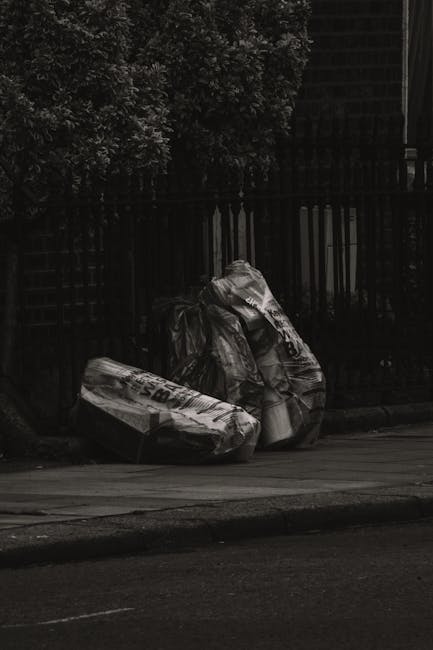
Let's face it: a bulky item left in the wrong place can annoy neighbours, obstruct footways, attract fly-tipping, or create a fire and trip hazard. The council's rules exist to keep waste moving safely and to make sure items are collected, sorted, and processed in a way that works for a busy London borough.
There is also a practical reason to understand the rules before you book anything. Some items may be accepted, some may need special handling, and some may be better dealt with through a clearance crew rather than a standard collection. Knowing the difference helps you avoid delays and awkward surprises on the day.
In our experience, most problems happen when people assume "bulky waste" means anything large can just go out at once. It rarely works that simply. Access, item type, timing, and safety all matter.
How Bulky waste Brompton Kensington and Chelsea council rules Works
In plain English, bulky waste disposal usually means arranging for large household items to be removed through an approved route rather than putting them out with normal bins. Councils often set out what they will collect, how the items should be presented, and whether you need to book in advance. The exact detail can vary, so it is always worth checking the current local process before you move anything heavy outside.
For Brompton residents, the key things to think about are usually the item category, access to the property, and whether the waste is clean enough and safe enough to handle. A sofa from a top-floor flat in a tight terrace block is a very different job from a chest of drawers on a ground-floor entrance. That sounds obvious, but these are exactly the details that change how a collection works in practice.
Private clearance services in the area often work alongside council rules rather than replacing them. For example, a household may choose a council route for a few standard items, while a private team handles mixed rubbish, heavy lifting, or same-day removal. If you are comparing options, pages like rubbish clearance in Brompton and the service overview can help you understand the wider options available.
Items commonly treated as bulky waste include:
- sofas and armchairs
- beds and mattresses
- wardrobes, desks, and tables
- white goods such as fridges and washing machines
- broken furniture and mixed household junk
- flat-pack furniture that has been dismantled
Some items may need special attention because of weight, sharp edges, or materials that should not be mixed with general waste. If there is any doubt, it is better to ask before leaving something out. A five-minute check can save a lot of back-and-forth later on.
Key Benefits and Practical Advantages
Getting bulky waste removed properly is not just about tidiness. There are real practical benefits, especially in a place like Brompton where access can be fiddly and neighbours are never far away.
- Less clutter at home: Large items take up a shocking amount of space. One old sofa can make a room feel unusable.
- Safer access: Clear hallways, stairwells, and kerbside areas reduce the risk of trips and scrapes.
- Less stress on collection day: When the rules are understood, you are not left guessing where to put things.
- Better chance of proper recycling: Correctly sorted bulky waste is more likely to be processed responsibly.
- Fewer neighbour complaints: No one enjoys looking at an abandoned mattress by the pavement for half a day.
There is also a time-saving benefit that people underestimate. If you have to move house, renovate, or clear a rental property, bulky waste can slow everything down. A tidy clearance plan keeps the rest of the job moving. Simple, but hugely useful.
Expert summary: The best bulky waste plan in Brompton is usually the one that matches item type, access, and timing first, then price second. That order matters more than people think.
Who This Is For and When It Makes Sense
This topic matters to a broad mix of people, and in Brompton you often see the same few scenarios repeating.
You may need to understand the council rules if you are:
- a homeowner replacing old furniture
- a tenant moving out and clearing a flat
- a landlord preparing a property for new occupants
- a managing agent dealing with communal area waste
- a shop, cafe, or office with bulky items to remove
- someone handling post-refurbishment leftovers
It makes sense to plan ahead if you have items that are too large for standard bins, too awkward to carry on your own, or too messy to keep inside. That might sound obvious, but people often leave bulky waste until the last minute and then discover the lift is too small, the hallway is too narrow, or the item won't fit through the front door once it is half-dismantled. We have all seen that sort of thing. Slightly chaotic, always avoidable.
If you are clearing more than one or two items, or if the property has difficult access, it may be more efficient to use a dedicated service. A private team familiar with local access challenges can be a real help, particularly in older Brompton buildings where stairs, basement flats, and tight mews access are common.
Step-by-Step Guidance
Here is the most practical way to approach bulky waste in Brompton without making it harder than it needs to be.
- Identify every item first. Make a short list. Include furniture, appliances, bags, and anything dismantled into parts.
- Separate normal waste from bulky waste. Not everything large belongs in the same pile. Keep hazardous items, electricals, and general rubbish in mind from the start.
- Check what needs special handling. Fridges, freezers, and items with sharp or contaminated parts may need different handling.
- Measure access points. Hallway width, stair turns, door frames, and kerbside parking all matter more than people expect.
- Decide whether council or private removal fits best. A small number of standard items may suit a council route. Mixed loads or urgent jobs often suit a clearance crew.
- Book or arrange collection in advance. Avoid leaving items outside early unless the agreed process specifically allows it.
- Prepare items safely. Dismantle what you can, remove personal belongings, and make sure nothing sharp is sticking out.
- Keep the route clear. On collection day, make sure the path from the property to the pickup point is unobstructed.
- Confirm what happens after pickup. Good planning includes knowing where the waste is going and how it will be managed.
If you are dealing with a flat or a converted townhouse, the access step is often the one that saves the most time. One tight staircase can change the whole approach. It is a bit unglamorous, but there you are.
Expert Tips for Better Results
A few small decisions can make a bulky waste removal noticeably smoother.
- Take photos before booking. This helps you explain the load clearly and reduces misunderstandings.
- Group items by type. Furniture, electricals, and general rubbish are easier to handle when separated.
- Disassemble when sensible. A bed frame or wardrobe often becomes much easier to move once broken down.
- Protect communal areas. Use blankets or cardboard where needed to avoid scuffing stairs and walls.
- Be honest about the volume. Understating the amount is one of the fastest ways to create delays or extra costs.
- Plan around building rules. In Brompton, building management or neighbour access windows can affect the best time for removal.
One thing people rarely mention: clear a bit more space than you think you need. Once the first item comes out, the room suddenly looks smaller and the route feels tighter. Funny how that happens.
If you are looking at a bigger project, such as a renovation or office move, related services like builders waste disposal in Brompton or house clearance in Brompton may be more suitable than a single bulky item collection.
Common Mistakes to Avoid
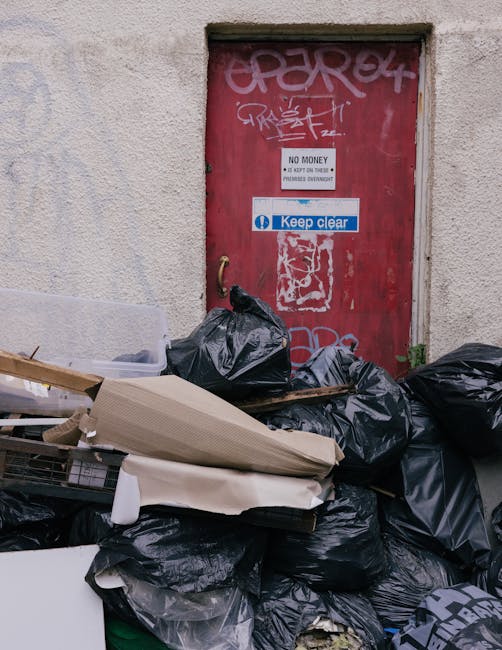
Bulky waste jobs tend to go wrong for a few predictable reasons. None of them are dramatic on their own, but together they can be a nuisance.
- Putting items out too early: This can block pavements or create complaints.
- Mixing prohibited items with general bulky waste: Electricals, sharp objects, or contaminated materials can complicate the whole job.
- Ignoring access issues: Lifts, stairs, and parking restrictions matter a lot in Brompton.
- Leaving items un-dismantled when they could be broken down: A little prep can save a great deal of handling.
- Forgetting about shared areas: Communal corridors are not the place for a surprise furniture parade.
- Choosing the wrong service type: Council collection, private clearance, and specialist disposal all serve different needs.
A smaller but common mistake is not checking whether a property manager or landlord has any building-specific rules. In mixed-use blocks, that can be the difference between a smooth pickup and a messy, apologetic phone call. Nobody needs more of those.
Tools, Resources and Recommendations
You do not need fancy equipment to deal with bulky waste, but a few basic tools can make life easier.
- measuring tape for doors, stairs, and item dimensions
- strong gloves for handling rough edges
- basic screwdriver or Allen key for dismantling furniture
- furniture sliders or a dolly for moving heavier items
- cardboard or blankets for protecting floors and walls
- labels or tape for separating items by category
For service planning, the most useful website pages are often the ones that explain pricing, safety, and the type of work offered. If you want to understand how the business handles jobs and what to expect, the pricing and quotes page is a sensible place to start. For customers who care about handling and responsible disposal, recycling and sustainability is worth reading too.
You can also check the company's approach to safety through insurance and safety. That may sound like a small detail, but when someone is lifting a wardrobe down a narrow stairwell, small details suddenly become very large indeed.
Law, Compliance, Standards, or Best Practice
When bulky waste is involved, the main compliance concerns are safe handling, lawful disposal, and avoiding fly-tipping. In the UK, waste must be managed responsibly, and anyone arranging removal should be confident that items will be taken to appropriate facilities rather than dumped elsewhere. You do not need to memorise the law to be sensible about it, but you do need to use a reputable route.
Best practice usually includes:
- keeping waste on your property until an agreed collection time
- making sure access routes are safe and clear
- separating potentially hazardous items from ordinary bulky waste
- using a provider that can explain where the waste goes
- retaining booking details or quotes for your records
If you are a landlord, managing agent, or business owner, this matters even more. You are not just clearing space; you are also managing duty of care, tenant expectations, and the visual impact on the street. In a place like Brompton, where kerbside space can be limited and neighbours notice everything, good waste practice is as much about reputation as compliance.
The easiest rule of thumb? If it looks awkward, heavy, sharp, contaminated, or likely to be left in a shared area, slow down and check the process before moving it.
Options, Methods, or Comparison Table
There is no single best method for every bulky waste job. It depends on volume, urgency, item type, and access. Here is a straightforward comparison.
| Option | Best for | Pros | Watch out for |
|---|---|---|---|
| Council bulky waste route | Small number of standard household items | Often straightforward for basic jobs; suitable for residents who can plan ahead | May involve fixed booking times, item limits, or strict presentation rules |
| Private bulky waste clearance | Mixed loads, difficult access, urgent jobs | More flexible; can handle lifting, loading, and varied items | Costs vary by load size, access, and urgency |
| Full house clearance | Large-scale clear-outs, probate, moves, refurbishments | Covers a wider range of items and saves time | May be more than you need for just one or two items |
| Builders waste service | Post-renovation debris, broken fittings, mixed rubble-type waste | Useful when bulky waste is part of a bigger job | Not always suitable for standard household furniture |
If your job is mostly furniture, a bulky item clearance is usually the right fit. If it is a full flat full of mixed contents, a house clearance may make more sense. And if the job includes renovation debris, a dedicated builders waste service is often cleaner and simpler than trying to mix categories. That distinction saves people a lot of trouble.
Case Study or Real-World Example
Picture a typical Brompton scenario. A resident in a converted flat needs to remove a broken sofa, a dismantled bed frame, and two bags of mixed odds and ends after redecorating. The front hall is narrow, the stairwell turns sharply at the first landing, and the street outside has tight parking. Not exactly a dream set-up.
In that situation, the first sensible step is to separate the items and check access before doing anything else. The sofa may need two people to manoeuvre safely. The bed frame might be easier once taken apart further. The bags of odds and ends could be handled as part of a general rubbish load, depending on what is inside them. Simple enough on paper, but the details matter.
What usually helps most is a short pre-booking conversation, a couple of photos, and clear instructions about where the team can park or wait. The job becomes less about guessing and more about moving efficiently. That is the difference between an hour that feels manageable and a day that feels strangely endless.
For jobs like this, many people also look at related services such as waste removal in Brompton or office clearance in Brompton if the property is mixed-use or contains commercial items. That can be especially useful around Brompton properties where residential and work spaces overlap.
Practical Checklist
Use this checklist before you arrange bulky waste removal. It is basic, but it works.
- Have I listed every item that needs removing?
- Do any items need dismantling first?
- Have I checked access, stairs, lifts, and parking?
- Are any items electrical, sharp, hazardous, or unusually heavy?
- Do I know whether council collection or private clearance is the better fit?
- Have I measured doorways and the item size if space is tight?
- Have I removed personal belongings from furniture or drawers?
- Is the route from the property to pickup point clear?
- Do I know the collection time and where items should be left?
- Have I saved any booking details or quote information?
Quick takeaway: bulky waste goes more smoothly when you think like a mover, not just a householder. Measure, separate, plan, and keep the route clear. That alone solves a surprising amount.
Conclusion
Bulky waste in Brompton does not need to be complicated, but it does need a bit of structure. The council rules, local access conditions, and item type all shape the best approach. Once you understand those moving parts, the process gets much easier.
Whether you are clearing a single sofa, dealing with post-refurbishment leftovers, or sorting out a full property, the same principle applies: choose the right removal method for the job, prepare properly, and avoid leaving things to chance. That is usually where the time and money get lost.
And honestly, in a neighbourhood where streets are busy and space is precious, a tidy, well-planned clearance feels good. A proper relief, actually.
Get a free quote today and see how much you can save.
If you want to explore the company background before booking, you can also read more about us and review the main rubbish removal options available in Brompton.


From a young age, Blair has cultivated a passion for order, which has now matured into a prosperous profession as a waste removal specialist. She derives satisfaction from transforming disorderly spaces into practical ones, aiding clients in conquering the burden of clutter.
 Tipper Van - Junk Collection and Rubbish Clearance Prices in Brompton, SW10
 Luton Van - Junk Collection and Rubbish Clearance Prices in Brompton, SW10